Comparing Furniture Materials: Wood, Metal, and Glass
When selecting furniture for a home or office, the choice of material plays a significant role in defining both the aesthetic and functional characteristics of a piece. Solid wood, metal, and glass are three of the most common materials used in furniture construction, each bringing a unique set of properties that influence how a piece looks, feels, and performs over time. Understanding these differences can help individuals make informed decisions that align with their specific needs and preferences.
This article examines the characteristics of solid wood, metal frames, and tempered glass, focusing on aspects such as durability, maintenance, style, and suitability for different rooms. By exploring these materials in depth, readers can gain a clearer perspective on how each might contribute to a cohesive and practical interior environment. The goal is not to prescribe a single best option, but rather to provide a balanced overview that supports informed decision-making.
It is important to note that the performance of any furniture material depends on a variety of factors, including the quality of construction, the conditions of use, and the level of care provided. Therefore, the observations presented here are intended as general guidelines rather than definitive recommendations. Individual experiences may vary based on specific circumstances and contextual factors.
Solid Wood: Timeless Appeal and Natural Durability
Solid wood has long been a preferred material for furniture due to its natural beauty, strength, and ability to age gracefully. It is derived from timber and can be shaped into a wide range of designs, from traditional to contemporary. The durability of solid wood depends on the species used, with hardwoods such as oak, maple, and walnut generally offering greater resistance to wear and impact than softwoods like pine. This makes solid wood a suitable choice for pieces that endure frequent use, such as dining tables, bed frames, and seating.
In terms of style, solid wood brings warmth and organic texture to a space. Its grain patterns and color variations are unique to each piece, adding a distinctive character that cannot be replicated by synthetic materials. This natural appeal allows wood furniture to blend seamlessly with various interior design themes, from rustic to modern. However, wood is susceptible to moisture and temperature fluctuations, which can cause expansion, contraction, or warping over time. Regular maintenance, such as dusting and occasional polishing, can help preserve its appearance and longevity.
When considering solid wood for different rooms, it is often favored in areas where a cozy and inviting atmosphere is desired. In living rooms, a wooden coffee table or bookshelf can serve as a focal point, while in bedrooms, a wooden bed frame or dresser can contribute to a restful environment. In dining rooms, a solid wood table often becomes a central gathering place. It is worth noting that solid wood furniture tends to be heavier and may require more effort to move or rearrange compared to other materials.
Metal Frames: Strength, Stability, and Modern Aesthetics
Metal frames are widely used in furniture for their exceptional strength-to-weight ratio and structural integrity. Common metals include steel, aluminum, and iron, each offering different levels of durability and resistance to corrosion. Steel is known for its robustness and is often used in industrial-style furniture, while aluminum is lighter and resistant to rust, making it suitable for outdoor or humid environments. Iron, though heavier, can provide a classic or vintage look when finished appropriately.
One of the primary advantages of metal frames is their ability to support significant weight without bulky profiles. This allows for sleek, minimalist designs that can maximize space and create an open, airy feel in a room. Metal furniture is also relatively easy to clean and maintain, often requiring only a damp cloth to remove dust and spills. However, metal can be prone to scratching and may feel cold to the touch, which might not suit all comfort preferences. Additionally, without proper finishes, some metals may rust over time, particularly in areas with high humidity.
In terms of style, metal frames can range from polished chrome and brushed nickel to matte black and powder-coated colors, offering versatility to match various decors. They are frequently used in modern and contemporary settings, as well as in industrial lofts and minimalist spaces. For different rooms, metal is often a practical choice for office desks, shelving units, and outdoor patio sets, where durability and resistance to the elements are important. In bedrooms, a metal bed frame can provide a sturdy foundation with a clean, unadorned look.
Tempered Glass: Clarity, Elegance, and Safety Considerations
Tempered glass is a type of safety glass processed by controlled thermal or chemical treatments to increase its strength compared to normal glass. It is designed to shatter into small, granular pieces rather than sharp shards when broken, reducing the risk of injury. This makes tempered glass a popular choice for furniture surfaces such as tabletops, shelves, and cabinet doors. Its transparency allows light to pass through, creating an illusion of space and making it ideal for smaller rooms or areas where an open, uncluttered look is desired.
In terms of durability, tempered glass is resistant to scratches and can withstand moderate impact. However, it is not indestructible and can break under extreme force or sharp impacts. It is also susceptible to smudges and fingerprints, requiring regular cleaning with appropriate glass cleaners to maintain its clarity. Despite these considerations, tempered glass offers a sleek, modern aesthetic that can complement both traditional and contemporary interiors. It is often used in dining tables, coffee tables, and shelving units to add a touch of elegance without visual heaviness.
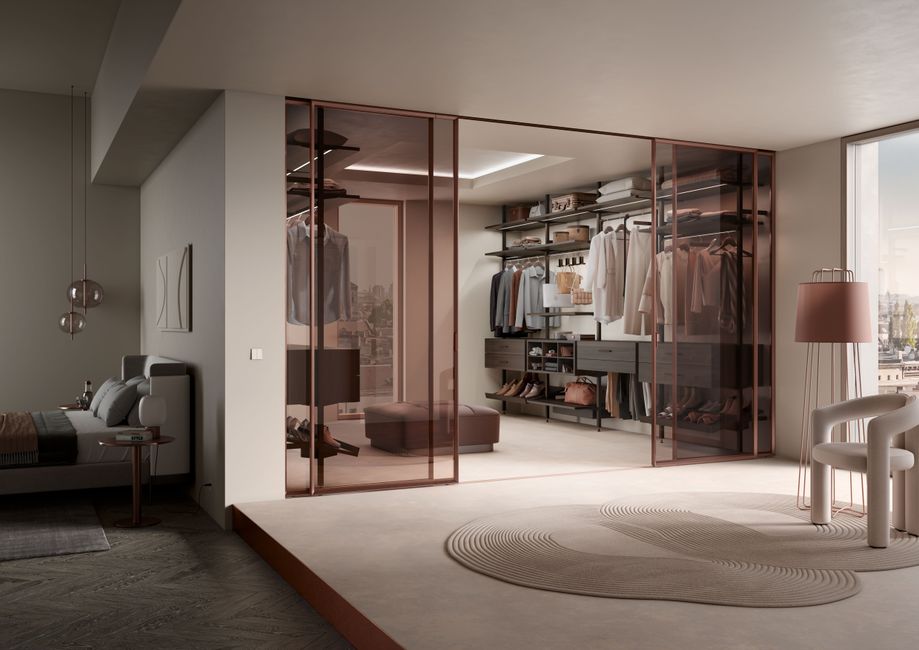
When used in different rooms, tempered glass can be particularly effective in dining areas where a glass table can create a sense of openness. In living rooms, a glass coffee table can serve as a subtle anchor without dominating the space. In bathrooms, glass shelves or countertops can provide a clean, hygienic surface that is easy to wipe down. It is important to note that glass furniture may require more frequent cleaning to keep it looking its best, and it may not be suitable for households with very young children or pets due to the risk of breakage.
Comparing Durability and Maintenance Across Materials
When evaluating durability, each material has its strengths and limitations. Solid wood is generally long-lasting and can be refinished to repair minor scratches and dents, but it is vulnerable to moisture and changes in humidity. Metal frames are highly durable and resistant to many forms of wear, but they can scratch and may corrode if not properly coated. Tempered glass is strong but can shatter under certain conditions, and while it is scratch-resistant, it can still be chipped or cracked by heavy impacts.
Maintenance requirements also vary. Wood furniture typically needs periodic dusting and occasional polishing or oiling to maintain its luster. Metal furniture is relatively low-maintenance, requiring only routine cleaning to prevent dust buildup and occasional inspection for signs of rust. Glass furniture demands regular cleaning to remove smudges and streaks, and care should be taken to avoid abrasive cleaners that could scratch the surface. In all cases, following the manufacturer’s care instructions can help extend the life of the furniture.
It is also worth considering the environmental impact and sustainability of these materials. Solid wood can be sourced from responsibly managed forests, and some manufacturers use reclaimed or recycled wood. Metal is highly recyclable, and recycled steel and aluminum are commonly used in furniture production. Tempered glass is also recyclable, though the recycling process requires specialized facilities. These factors may influence the decision for those who prioritize eco-friendly options.
Choosing the Right Material for Different Rooms
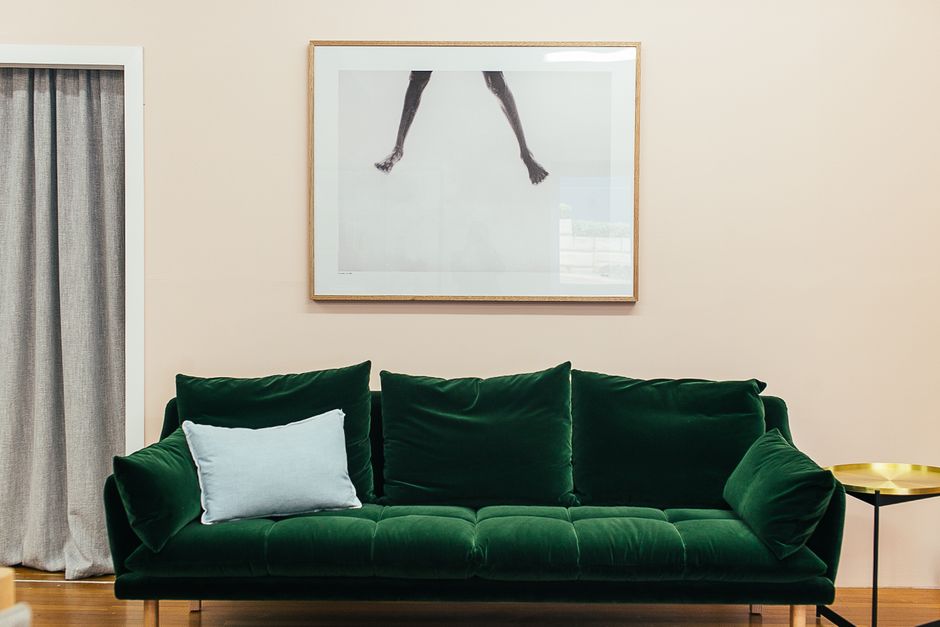
The choice of furniture material often depends on the specific room and its function. In living rooms, a mix of materials can create visual interest and balance. For example, a solid wood coffee table paired with a metal-framed sofa or a glass side table can combine warmth, stability, and lightness. In dining rooms, a solid wood table is a classic choice for its durability and ability to host gatherings, while a tempered glass table can make a small dining area feel more spacious. Metal chairs or bases can add an industrial touch.
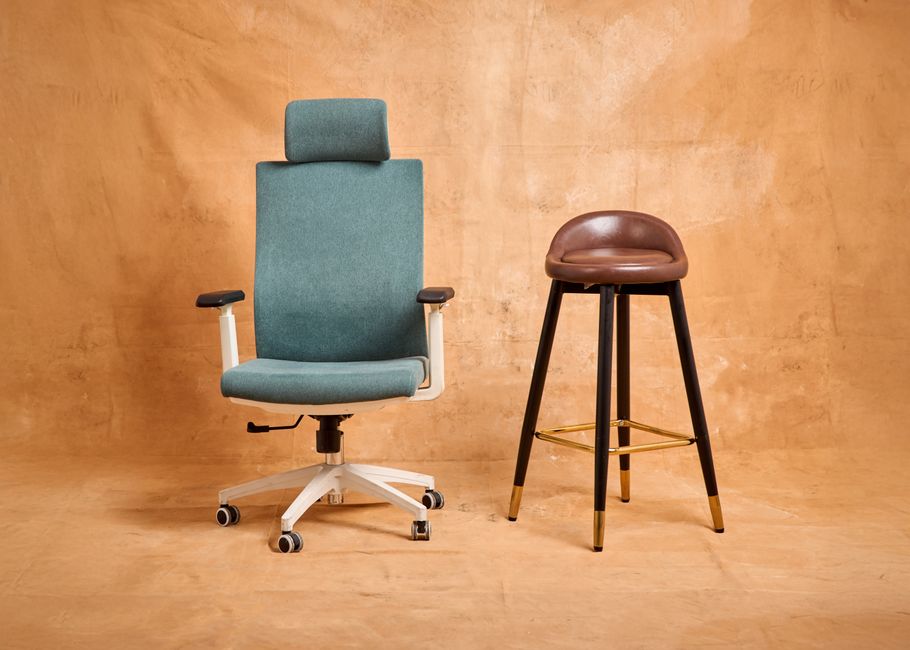
In bedrooms, comfort and relaxation are key. A solid wood bed frame can provide a sturdy and warm foundation, while a metal bed frame offers a sleek, minimalist look. Glass is less common in beds but can be used in nightstands or dressers for a modern touch. In home offices, metal desks and shelving are often favored for their durability and utilitarian aesthetic, while wood can add a professional and sophisticated feel. Glass desks can create a clean, contemporary workspace but may require more frequent cleaning.
Outdoor furniture presents additional considerations, as materials must withstand weather conditions. Metal frames with powder coatings are often used for outdoor sets due to their resistance to rust and fading. Teak or other weather-resistant woods are also popular for outdoor furniture. Tempered glass is less common outdoors but can be used for tabletops if properly sealed and protected. Regardless of the room, it is advisable to consider the overall design scheme and how each material will contribute to the desired atmosphere.
Final Considerations: Balancing Style and Practicality
Ultimately, the decision between solid wood, metal, and tempered glass should be guided by a combination of aesthetic preferences, functional requirements, and practical constraints. Each material brings distinct qualities that can enhance a space in different ways. Solid wood offers natural beauty and warmth, metal provides strength and modern lines, and tempered glass delivers transparency and a sense of openness. By understanding these characteristics, individuals can make choices that align with their lifestyle and design goals.
It is also important to consider the overall composition of a room and how different materials interact with one another. Mixing materials can create a dynamic and personalized look, but it requires thoughtful coordination to achieve harmony. Factors such as color, texture, and scale should be taken into account. Additionally, the quality of craftsmanship and the reputation of the manufacturer can significantly influence the performance and longevity of furniture, regardless of the material used.
In conclusion, there is no single material that is universally superior; the best choice depends on the specific context and priorities. By weighing the pros and cons of solid wood, metal, and tempered glass, consumers can make informed decisions that suit their needs. Whether furnishing a cozy home or a professional office, the right combination of materials can contribute to a functional and visually appealing environment.