A Guide to Bedroom Storage: Wardrobes and Nightstands
Bedroom storage is a critical aspect of home organization that often determines how functional and comfortable a space feels. In American homes, where bedroom sizes can vary widely, selecting the right combination of wardrobes and nightstands requires careful consideration of available space, personal needs, and design preferences. This guide explores various options for wardrobes and nightstands, focusing on sliding doors, drawer types, and space-saving configurations. By understanding these elements, individuals can make informed decisions that align with their storage requirements and room layout.
The process of optimizing bedroom storage begins with assessing what items need to be stored, how frequently they are accessed, and what aesthetic or functional constraints exist. Wardrobes serve as the primary storage for clothing and larger items, while nightstands provide convenient access to essentials near the bed. Together, they form a storage system that can be tailored to fit different room dimensions and lifestyles. This article examines key considerations for each component, offering a neutral overview of options and their potential applications.
Assessing Your Storage Needs
Before selecting any furniture, it is helpful to conduct a thorough inventory of the items that will be stored in the bedroom. Clothing, shoes, accessories, bedding, and personal items each have different storage requirements. For example, hanging garments may need a certain amount of vertical space, while folded items benefit from shelves or drawers. Understanding the volume and types of items can guide decisions about wardrobe size and internal configuration. Additionally, considering future needs—such as changes in wardrobe or the acquisition of new items—can help avoid premature replacements. A systematic assessment often involves measuring the available floor space and noting any architectural features like windows, doors, or sloped ceilings that may impact furniture placement.
Another factor is the frequency of access. Items used daily, such as everyday clothing and bedside essentials, should be stored in easily reachable locations. Seasonal or occasional items can be placed higher or deeper within a wardrobe. This zoning approach can improve efficiency and reduce clutter. It is also important to account for shared spaces; in a bedroom occupied by two people, storage may need to be divided equitably. Clear labeling or separate sections can help maintain organization. By documenting these needs, individuals can create a specification list that informs the choice of wardrobes and nightstands.
Wardrobe Options and Configurations
Wardrobes come in various forms, from built-in units to freestanding armoires. The choice often depends on the room’s layout and the desired level of permanence. Built-in wardrobes can maximize space by utilizing the full height and width of a wall, while freestanding options offer flexibility for renters or those who may relocate. When evaluating wardrobes, the door mechanism is a significant consideration. Sliding doors are a popular choice because they do not require clearance space in front of the unit, making them suitable for compact bedrooms. Hinged doors, on the other hand, provide full access to the interior but need room to swing open. Each type has implications for usability and space efficiency.
Internal configuration is equally important. A combination of hanging rods, shelves, and drawers can accommodate different item types. Hanging rods may be installed at various heights to suit long garments like dresses or short items like shirts. Adjustable shelves allow for customization as needs change. Drawers within a wardrobe can store folded clothes, accessories, or delicates. Some wardrobes include specialized features such as pull-out trays for jewelry or ties. The goal is to create a system that minimizes wasted space and facilitates easy retrieval. It is advisable to consider modular systems that can be reconfigured over time.
Sliding Doors: Advantages and Considerations
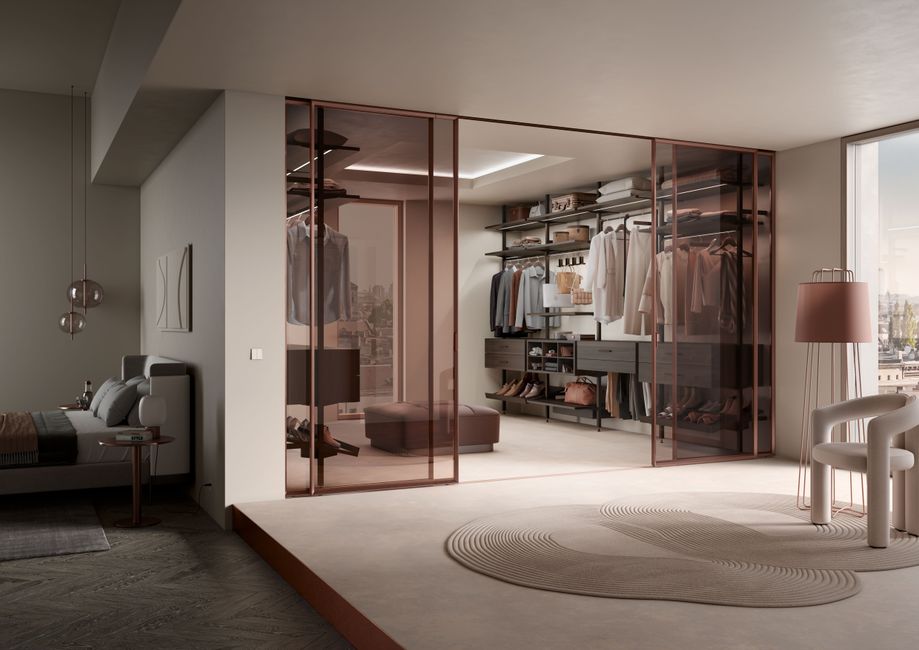
Sliding doors have become increasingly common in American bedrooms due to their space-saving characteristics. Unlike hinged doors, which require a swing radius, sliding doors move laterally along tracks. This design can be particularly beneficial in rooms where furniture placement is tight or where foot traffic is a concern. Sliding doors are available in various materials, including wood, glass, and mirrored finishes. Mirrored doors can also serve as a full-length mirror, potentially eliminating the need for a separate mirror in the bedroom. However, sliding doors do have some limitations. They typically cover only half of the wardrobe interior at a time, which may affect access to certain sections. Additionally, the tracks require periodic cleaning to ensure smooth operation.
When considering sliding doors, it is important to evaluate the quality of the hardware, as this affects durability and ease of use. Soft-close mechanisms can prevent slamming and reduce noise. The number of panels also matters: two-panel doors are common for standard widths, while three or more panels may be needed for wider openings. The material and finish should complement the bedroom’s decor. While sliding doors are often associated with modern aesthetics, they can be adapted to various styles. It is also worth noting that sliding doors may not seal as tightly as hinged doors, which could be a consideration in humid climates. Overall, sliding doors offer a practical solution for many space-constrained bedrooms.
Nightstand Selection and Placement
Nightstands play a vital role in bedroom functionality by providing a surface for lamps, books, glasses, and other bedside items. They also often include drawers or shelves for additional storage. When selecting a nightstand, size is a primary consideration. The nightstand should be proportional to the bed and leave adequate walking space around it. A general guideline is to choose a nightstand that is roughly the same height as the mattress top for easy reach. Common types include single-drawer, multi-drawer, and open-shelf designs. Each has advantages: drawers hide clutter, while open shelves offer quick access. Some nightstands include charging stations or cable management features, which can be useful in modern homes.
Placement of nightstands is typically on either side of the bed, but in smaller rooms, alternative configurations may be necessary. For instance, a single nightstand placed on one side can serve both occupants if space is limited. Wall-mounted nightstands or floating shelves can save floor space and create a minimalist look. When two nightstands are used, symmetry can enhance visual balance, but asymmetrical arrangements can also work in eclectic settings. It is important to ensure that nightstands do not obstruct access to wardrobes or other furniture. Considering the height and depth relative to the bed and surrounding traffic patterns can prevent awkward layouts.
Space-Saving Configurations and Integration
Integrating wardrobes and nightstands into a cohesive storage plan can optimize bedroom space. One approach is to choose a wardrobe with a built-in nightstand or a continuous unit that combines both functions. This can be particularly useful in small rooms where separate pieces might crowd the area. Another strategy is to utilize vertical space: tall wardrobes that reach the ceiling can provide ample storage without occupying additional floor area. Similarly, nightstands with multiple tiers or drawers can make use of vertical space beside the bed. In some cases, a custom built-in unit that spans an entire wall can incorporate hanging space, drawers, and open shelves for a seamless look.
For rooms with limited floor space, consider a wardrobe with sliding doors that can be placed close to the bed, as they do not require clearance for swinging. If the bed is positioned in a corner, a corner wardrobe or a nightstand that fits into the corner can maximize utility. Under-bed storage can complement wardrobes and nightstands, especially for items like extra bedding or out-of-season clothing. When planning, it is helpful to create a floor plan or use graph paper to visualize the arrangement. This can reveal potential conflicts and allow for adjustments before purchasing furniture. Ultimately, the goal is to create a storage system that supports daily routines without feeling cramped.
Conclusion
Effective bedroom storage involves a thoughtful balance of wardrobes, nightstands, and spatial considerations. By assessing individual needs, evaluating wardrobe door options such as sliding mechanisms, and selecting nightstands that fit the room’s dimensions, individuals can develop a storage solution that enhances functionality. Space-saving configurations, including integrated units and vertical storage, offer additional possibilities for maximizing capacity. As with any furniture selection, it is advisable to measure carefully, consider long-term needs, and choose pieces that align with both practical requirements and aesthetic preferences. With proper planning, a bedroom can become an organized and comfortable retreat.